What is RTP?
What is RTP (Return to Player) and whats important to understand
Written By _flush_f0x_
Last updated 14 days ago
RTP stands for Return to Player. It is the single most quoted number in casino gaming, and knowing how to read it is the fastest way to level up as a player. This guide explains what it measures, what it tells you, and how to use it to pick your games like a pro.
The definition
RTP is the percentage of everything staked on a game that the game pays back to players as winnings, measured over an enormous number of rounds. The remainder is the house edge. The two always sum to 100%: a 96% RTP game has a 4% house edge, European roulette’s 2.70% edge means a 97.30% RTP, and so on. They are the same fact stated two ways.
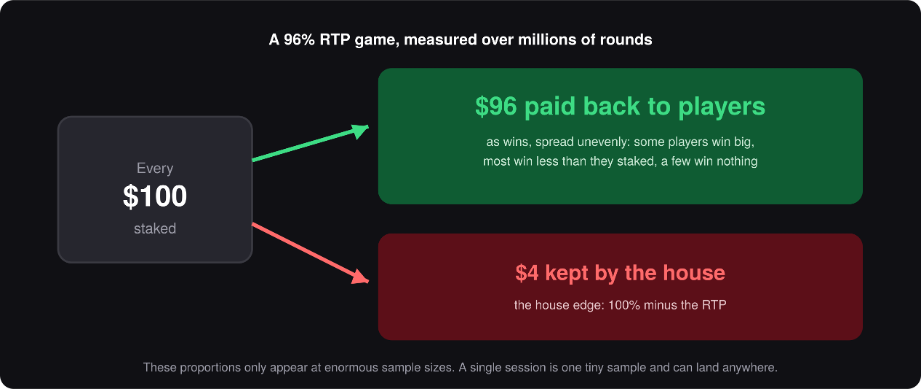
Figure 1: where every $100 of stakes goes, in the long run
Who verifies it
RTP is not self-declared. Certified games are tested by independent laboratories that run the game’s maths through millions of simulated rounds and audit the random number generator behind it. The certified figure is published in each game’s info panel.
Why your session is its own story
Here is the key insight: RTP is an average across all players and millions of rounds, and averages only settle at sample sizes no single session comes close to. Your session is a tiny sample with a life of its own, and that is precisely why it can finish spectacularly ahead of the average.
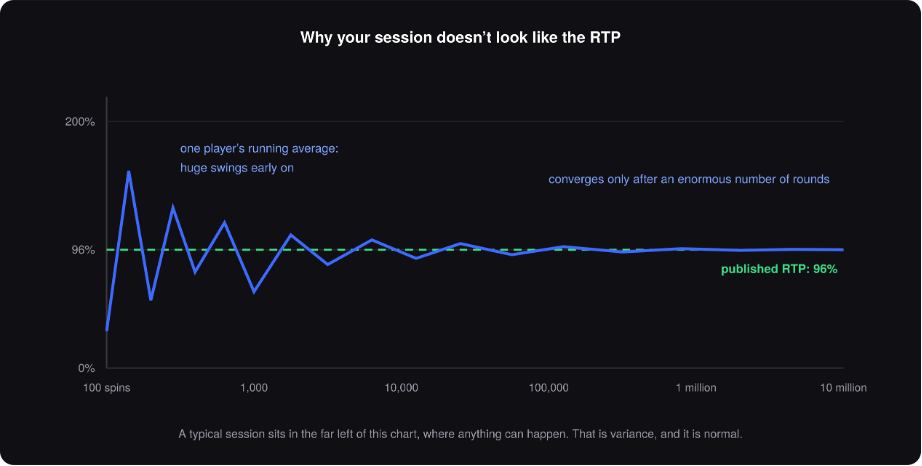
Figure 2: a running average takes millions of rounds to settle on the published RTP
Your session lives at the far left of that chart, where luck is by far the bigger force. Over a few hundred rounds the slim house edge barely registers against the swings, which is exactly why sessions can finish well ahead. The published average is the long game; your session is the short one, and the short one is where all the fun happens.
RTP by game
Different games keep very different edges, and for skill games the published figure assumes you play well. Blackjack only returns 99.5% to a player using basic strategy; guessing costs several percent more.
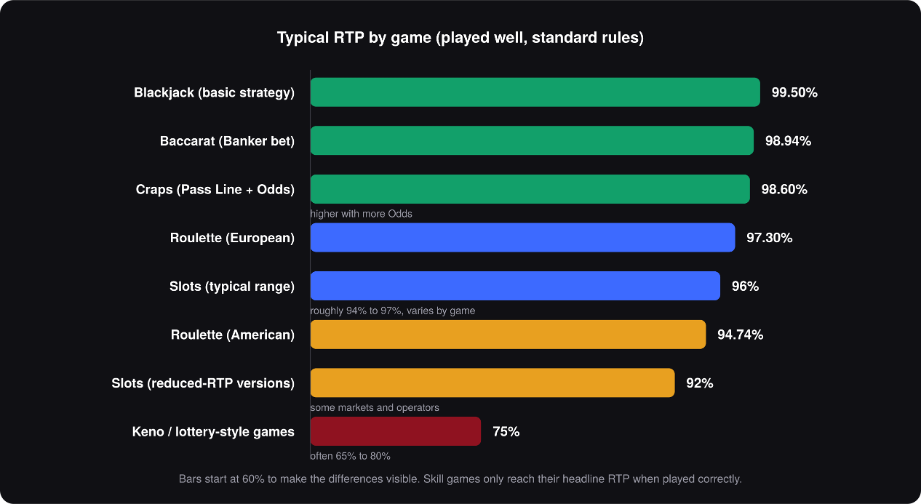
Figure 3: typical RTP across common casino games
Fixed vs skill-dependent RTP
Slots, roulette, baccarat and craps have fixed RTP: no decision you make changes it (beyond choosing which bet to place). Blackjack and video poker are different: your decisions are part of the maths, and the headline RTP is only reachable with correct play. That makes strategy charts genuinely valuable in those games, and genuinely useless everywhere else.
Same slot, different RTP versions
Modern slots are often built in several RTP versions of the same game (for example 96.2%, 94.5% and 92.1%), and the operator selects which version to offer. The game plays identically; only the maths differs. The version running is always stated in the game’s info panel, usually under “RTP” or in the paytable. Checking it takes seconds and is the single most practical use of everything in this article, especially on games you play regularly.
Five RTP myths
How to use RTP well
Treat it as a price tag. House edge is the average cost of playing: a 96% slot costs about 4 per 100 staked in the long run, a 92% version costs double that. Comparing RTP is comparing prices for the same entertainment.
Check the info panel, not the marketing. The certified RTP of the exact version you are playing is in the game’s info or paytable screen. That number is authoritative; review sites and headline figures may describe a different version.
Pair it with volatility. RTP says how much comes back on average; volatility says in what shape. Two 96% games can feel completely different to play. Both numbers together describe a game; either alone is half the picture.
Play your way. Compare RTP versions, favour the generous ones, set your budget, and enjoy: knowing this number puts you firmly in the driver’s seat, playing the same games for a better price.
Was this helpful?
Still need help? Ask the team