What is USDC?
Understand what USDC is, and how it works
Written By _flush_f0x_
Last updated 14 days ago
USDC is a stablecoin: a cryptocurrency deliberately designed to hold a steady value rather than rise and fall like Bitcoin or Ethereum. Each USDC is intended to always be worth exactly one US dollar, which makes it a popular choice for anyone who wants the speed and convenience of crypto without any exposure to price swings. In short, it is a digital dollar you can send as easily as any other cryptocurrency.
What USDC is
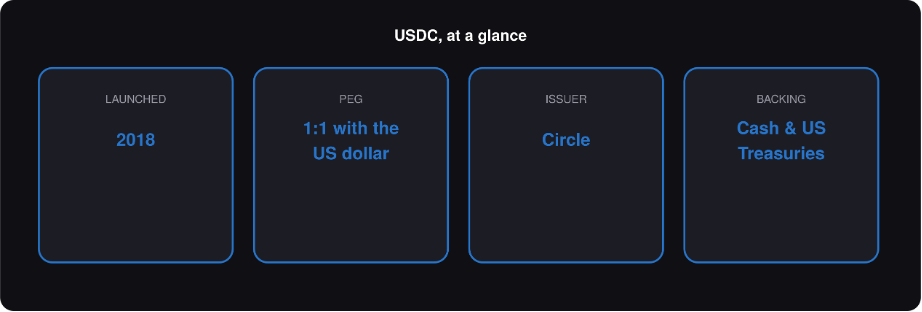
Figure 1: USDC, at a glance
USDC is issued by Circle, a regulated financial technology company, and it launched in 2018. Its whole purpose is stability, and it achieves that through a straightforward promise: every USDC in circulation is backed by an equivalent US dollar held in reserve, made up of cash and short-term US Treasuries. Circle publishes regular attestations of those reserves, which has given USDC a strong reputation for transparency in how it maintains its value.
That combination, a clear issuer and openly reported backing, is why many people who want a stable-value coin specifically choose USDC. It behaves like a dollar, moves like crypto, and comes with regular public reporting on the reserves that stand behind it.
How it works
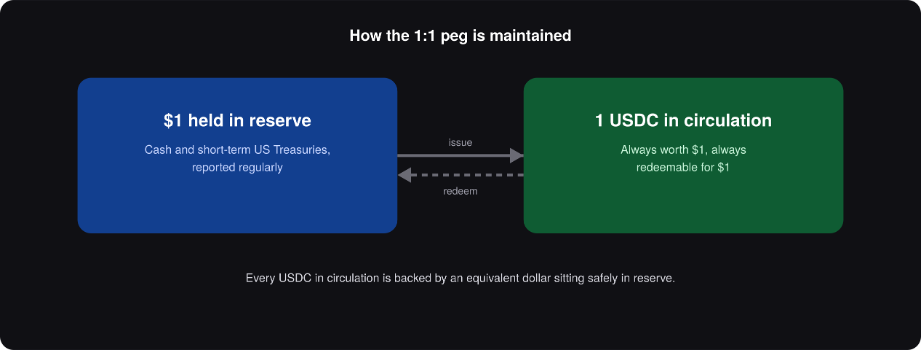
Figure 2: issued and redeemed, always 1:1
The mechanism that keeps USDC worth a dollar is simple. When new USDC is created, an equivalent dollar is added to reserve; when USDC is redeemed, a dollar is paid out and that USDC is retired from circulation. Because every coin is always matched by a real dollar that can be claimed for it, one USDC reliably stays equal to one dollar. For you, that means a balance held in USDC does not drift in value the way other coins can, from the moment it lands to the moment you use it.
One coin, several rails to travel on
Like USDT, USDC is not tied to a single network. It can move over Ethereum (ERC-20), Solana, Tron (TRC-20) and others, exactly as described in our crypto rails guide. The coin is the same on every rail; only the speed and fee differ. Always match the coin and network shown on the deposit page, the one rule that applies to every coin.
USDC compared with USDT
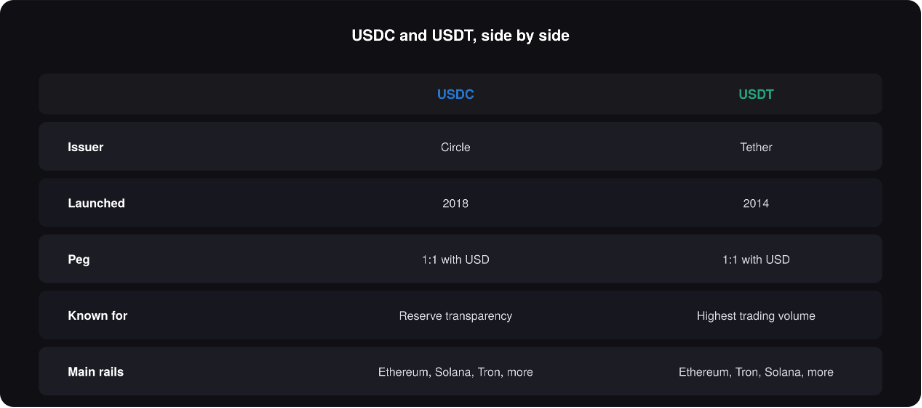
Figure 3: two digital dollars, the same core job
The two largest stablecoins, USDC and USDT, do the same fundamental thing: hold a steady value of one US dollar. The differences are about who issues them and their track record, not how they work. USDC, issued by Circle, is particularly known for its reserve transparency. USDT, issued by Tether, is the older of the two and has the highest trading volume of any stablecoin. Both are widely supported, and many people use whichever their exchange or wallet makes most convenient.
USDC at a glance
What it looks like in practice
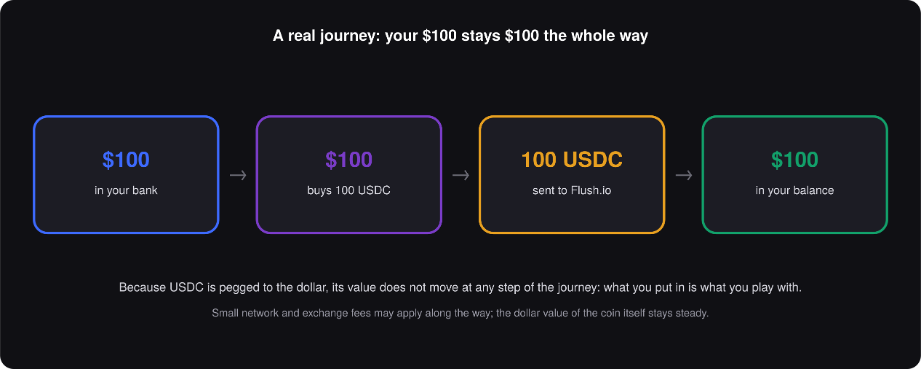
Figure 4: a real journey, value holding steady throughout
The practical appeal of USDC is that its value simply does not move. Turn $100 into USDC, send it, and $100 is what lands in your balance, with no watching the market and no surprises between sending and playing. Small network or exchange fees may apply along the way like any transfer, but the dollar value of the coin itself stays put from start to finish.
Using USDC on Flush.io
To deposit USDC, choose it on the deposit page, then pick the network you want to send it over, matching that same network in your wallet or exchange. For the lowest fees, USDC on Tron’s TRC-20 rail is usually fast and cheap; the same coin on Ethereum may cost more depending on gas at the time. Because USDC holds its dollar value, the amount you deposit is the amount that sits in your balance, with no price movement to think about.
Good to know
A steady balance, session to session. A $100 USDC deposit is still worth $100 while it sits in your balance, with none of the swings other coins can have.
Choose your rail for speed and fee. USDC on TRC-20 is typically fast and cheap; on other networks the cost and speed can differ, so pick the rail that suits you.
Backed by openly reported reserves. Circle publishes regular attestations of the reserves behind USDC, which is a large part of why it is widely trusted.
A close cousin of USDT. USDC and USDT serve the same core purpose; the comparison above and our USDT guide cover how they differ.
Always match the network. USDC travels on several rails, so matching the network on both ends is essential, as our crypto rails guide explains.
A comfortable choice for stable-value deposits. If price stability matters most to you, USDC is built specifically for that, and pairs well with the habits in our wallet security guide.
Was this helpful?
Still need help? Ask the team