Self-Custodial Wallets vs Exchanges
Learn the difference between self-custodial wallets and exchanges, and which is right for you.
Written By _flush_f0x_
Last updated 14 days ago
Every way of holding crypto answers one core question: who holds the private keys? Leave funds on an exchange and the exchange holds them for you, much like a bank. Move funds into your own wallet and you hold them yourself, with nobody else involved at all. Both are completely valid, widely used approaches, and understanding the difference is the last real building block for feeling fully at home with crypto.
Two very different answers
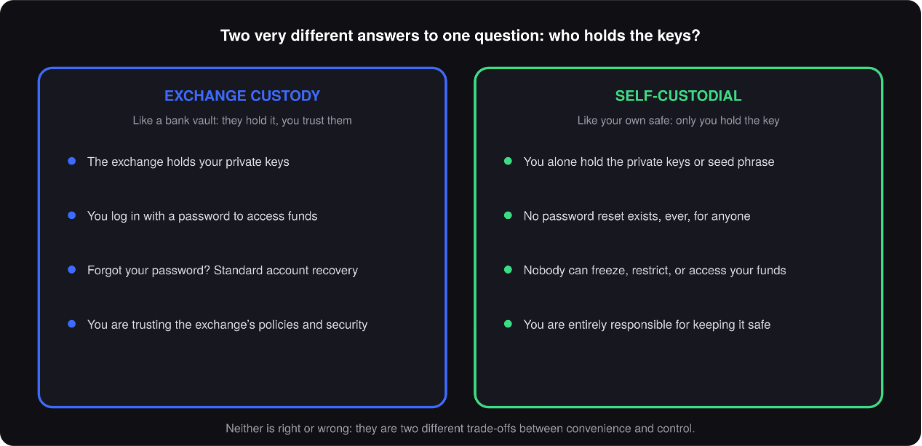
Figure 1: a bank vault versus a safe only you can open
Exchange custody works like a bank vault: the exchange holds the actual keys, you access your funds by logging in, and if you ever forget your password, a standard recovery process gets you back in, the same as any other online account. Self-custody works like a safe you alone hold the combination to: you hold the private keys or seed phrase directly, with no password reset possible from anyone, ever, because there is no company standing behind the wallet to ask.
This is a different question from hot vs cold
It is easy to mix this up with our hot wallet vs cold wallet guide, but they answer different questions. Hot vs cold is about connectivity: is a wallet online or offline? Custodial vs self-custodial is about ownership: who holds the keys? A self-custodial wallet can be hot (a mobile app) or cold (a hardware device); an exchange balance is custodial and almost always hot. The two ideas combine, they do not replace each other.
The phrase you will eventually hear
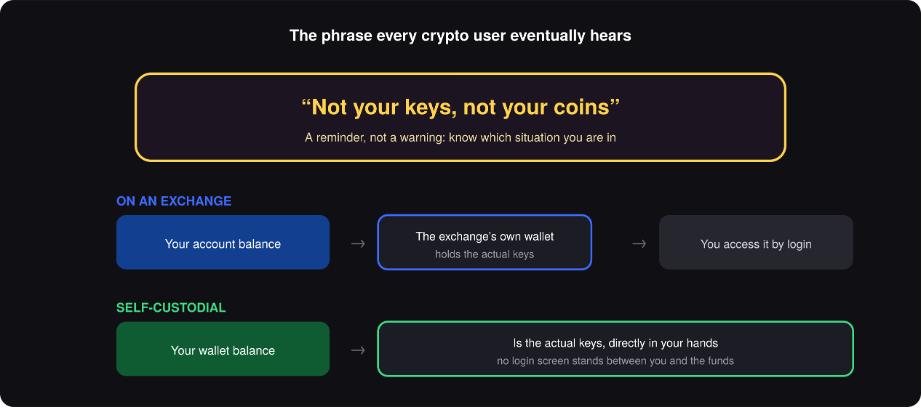
Figure 2: exactly what changes between the two setups
“Not your keys, not your coins” is crypto’s best-known saying, and it is simply a plain description rather than a scare tactic: while funds sit on an exchange, the exchange is the one actually holding the keys, and you are trusting their systems and policies to keep your account accessible. Move the same funds into a self-custodial wallet and that trust relationship disappears entirely: the keys, and the funds, are yours alone.
Where each one genuinely shines
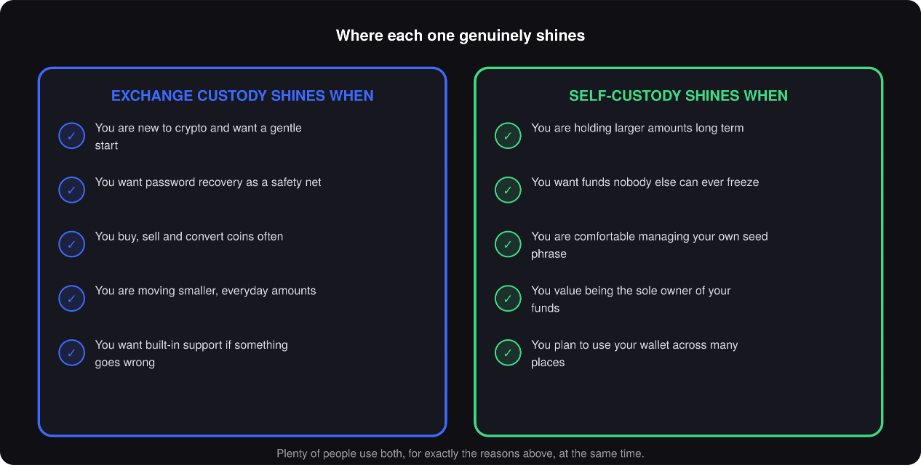
Figure 3: two excellent tools, built for different priorities
Neither approach beats the other in every situation. Exchange custody is wonderful for getting started, for buying and converting coins easily, and for the reassurance of a support team and password recovery close by. Self-custody is wonderful once you are holding meaningful amounts for longer, or simply want the certainty that comes with being the only person who can ever move your funds.
Using both, on purpose
Most experienced crypto users end up doing exactly this: keeping an exchange account for buying, converting and quick top-ups, while moving anything they are holding for longer into a self-custodial wallet. For playing on Flush.io, either setup works perfectly: deposit directly from your exchange balance, or from your own self-custodial wallet, whichever matches how you already hold your funds.
Custody terms worth knowing
Good to know
There is no wrong door here. Depositing from an exchange or from a self-custodial wallet reaches Flush.io exactly the same way: pick whichever setup you are already comfortable with.
Moving to self-custody is a one-way trust shift. Withdrawing from an exchange into your own wallet trades away password recovery in exchange for total, exclusive control: a fair trade, as long as you know it is the deal.
Self-custody makes you your own security team. Everything from our crypto safety guide, especially protecting your seed phrase, becomes entirely your responsibility the moment you go self-custodial: a responsibility, not a burden, once the habits are in place.
Plenty of people never choose just one. Splitting funds between an exchange for convenience and a self-custodial wallet for the rest is a completely normal, sensible habit, not a compromise.
Whichever you choose, deposits are just as fast. Custody is about where your funds live between sessions: it has no bearing on how quickly a deposit reaches your Flush.io balance once you send it.
Was this helpful?
Still need help? Ask the team