How to Keep your Wallet Secure
Learn how to keep your crypto wallet secure
Written By _flush_f0x_
Last updated 14 days ago
Wallet security sounds like it should be complicated, and the good news is that it genuinely is not. A small number of simple habits cover essentially every real risk out there, and none of them take more than a moment. This guide brings everything together in one place: think of it as the complete picture, with our other guides covering specific pieces in more depth.
Six habits that cover almost everything
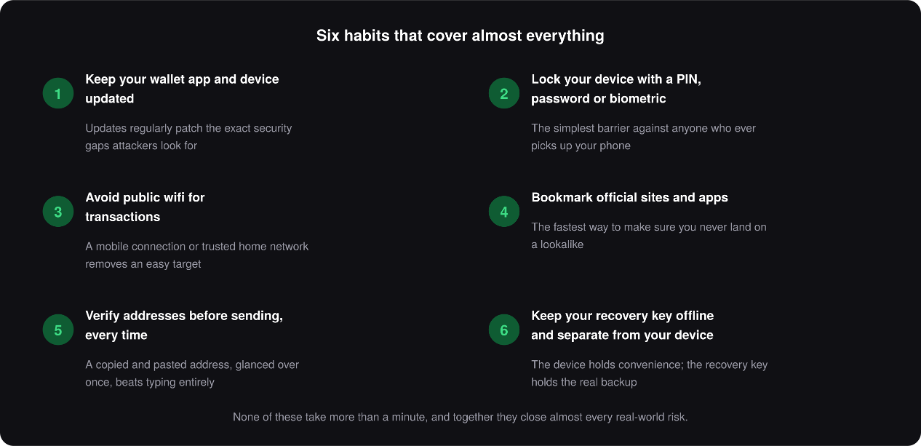
Figure 1: small, repeatable actions that add up to strong security
Most wallet security comes down to keeping software current, keeping devices locked, and staying deliberate about where and how you connect and send. None of these habits are technical or time-consuming; they are the crypto equivalent of locking your front door, and they close off nearly every way a wallet is actually compromised in the real world.
The ten-second check before every send
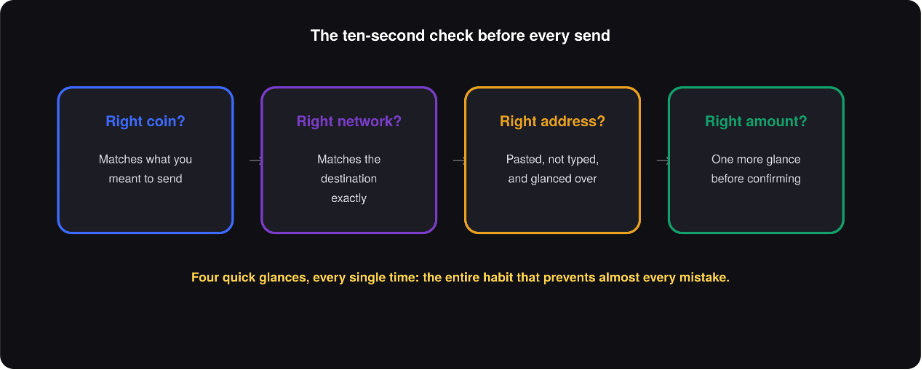
Figure 2: four quick glances, every single time
If there is one habit worth making completely automatic, it is this: before confirming any transaction, glance at the coin, the network, the address, and the amount. Copying and pasting rather than typing removes almost all of the risk already; this final glance catches the rest. It takes ten seconds and it is the single most effective habit in this entire guide.
Your recovery key is the one thing worth extra care
Everything in this guide protects your day-to-day wallet use, but your recovery key deserves its own dedicated attention: it is the master key behind everything else. Our guides on what a recovery key is and how to store it safely cover this specific piece in full, and they are worth five minutes if you have not read them yet.
Threats and defences, side by side
Good to know
Security habits compound. Each habit here closes off one avenue, and together they close off nearly all of them: you do not need every single one to be meaningfully safer, but using all of them makes you about as secure as a crypto user can be.
The same habits apply everywhere, not just Flush.io. Every wallet, exchange, and app you use benefits from the exact same routine: update, lock, verify, and protect your recovery key.
Support will never ask you to bypass any of this. If a message ever asks you to disable a security step, share a code, or hand over your recovery key, treat it as fake regardless of how convincing it looks, and verify through official channels only.
New to crypto? Start with the big three. Update your apps, lock your device, and write down and safely store your recovery key: those three alone put you ahead of most crypto users worldwide.
Good security becomes invisible. Once these habits are automatic, wallet security stops feeling like a task altogether, and deposits and withdrawals on Flush.io become simply fast and easy.
Was this helpful?
Still need help? Ask the team