Hot Wallets vs Cold Wallets
Learn the difference between hot wallets and cold wallets
Written By _flush_f0x_
Last updated 14 days ago
Every crypto wallet falls somewhere between two extremes: hot, meaning connected to the internet, and cold, meaning kept offline. Neither one is the correct answer on its own: they are two tools built for two different jobs, and understanding the difference is the last piece of the puzzle for using crypto with total confidence. Here is exactly how they differ, and how to think about using both.
It is a spectrum, not a switch
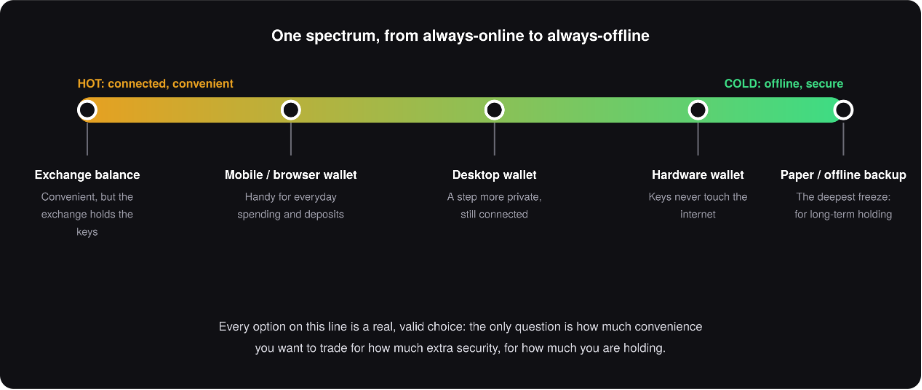
Figure 1: from an exchange balance to an offline backup, one sliding scale
Rather than two rigid categories, think of every way to hold crypto as a point on one line. An exchange balance sits at the hot end: always online, always one click away. A hardware wallet or an offline paper backup sits at the cold end: disconnected by default, and deliberately a little slower to use. Nothing on this spectrum is wrong: the right point depends entirely on what that particular crypto is for.
Hot and cold, side by side
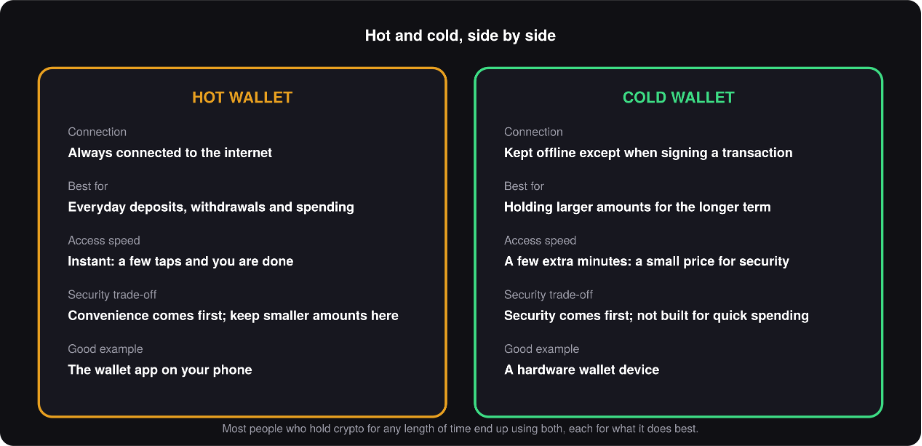
Figure 2: built for different jobs, and both genuinely good at theirs
A hot wallet is built for speed: sending a deposit to Flush.io, receiving a withdrawal, or spending crypto day to day all happen in seconds. A cold wallet is built for peace of mind: keeping a private key fully offline removes almost every remote way it could ever be compromised, in exchange for a few extra minutes whenever you actually want to move funds. Most people who use crypto regularly end up with a bit of both, and that is exactly how it is meant to work.
Neither type changes how secure your keys are on its own
A hot wallet is not automatically risky, and a cold wallet does not automatically make you careless-proof: in both cases, whoever holds the private key or seed phrase holds the funds. The habits from our crypto safety guide, especially never sharing your seed phrase, apply exactly the same way whether your wallet is hot, cold, or somewhere in between.
A simple way to split your funds
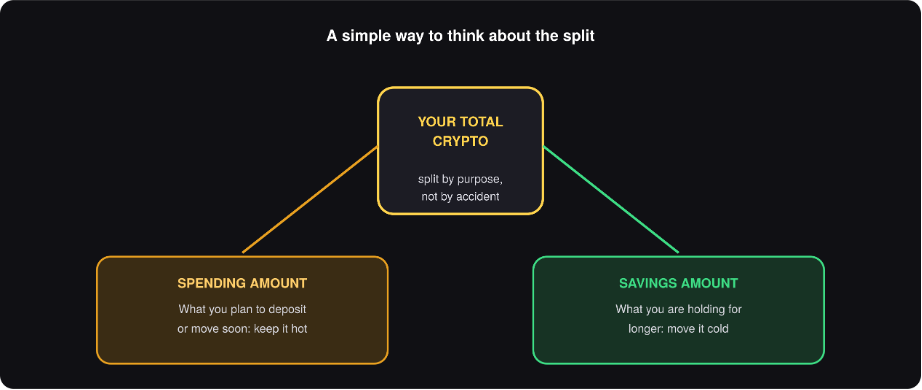
Figure 3: spending on one side, savings on the other
A useful rule of thumb that many crypto users settle on: keep what you plan to use soon, deposits, withdrawals, day-to-day amounts, in a hot wallet where it is quick to move, and keep what you are holding for longer in something colder. For playing on Flush.io specifically, a hot wallet, whether that is an exchange balance or a mobile wallet app, is all you need: fast deposits, fast withdrawals, and your bigger long-term holdings can stay safely tucked away elsewhere.
Wallet terms worth knowing
Good to know
You do not need a hardware wallet to get started. A reputable mobile or exchange wallet is genuinely secure for everyday amounts: hardware wallets earn their keep once you are holding larger sums for longer.
Cold storage is about patience, not difficulty. Using a hardware wallet is not technically hard, it simply asks for an extra minute or two, which is precisely the point: that small friction is the security.
Moving between hot and cold is normal and easy. Sending crypto from cold storage into a hot wallet before a deposit, then moving the rest back afterwards, is a completely standard habit for anyone holding meaningful amounts.
Back up a cold wallet’s seed phrase somewhere offline too. Write it down and store it securely; never photograph it, type it into a computer, or store it in cloud storage or a password manager.
Pick your setup, then just enjoy the speed. Once your hot and cold balance feels right for you, deposits and withdrawals on Flush.io become the easy part: quick, secure, and ready whenever you are.
Was this helpful?
Still need help? Ask the team