How to Keep your Recovery Key Safe
Learn how to keep your recovery keys safe
Written By _flush_f0x_
Last updated 14 days ago
Your recovery key can rebuild your entire wallet from nothing, which is exactly why it deserves a little more care than an ordinary password. The good news: keeping it safe is refreshingly simple, costs little or nothing, and takes only a few minutes to set up properly. Here is exactly how.
Where it belongs, and where it never should go
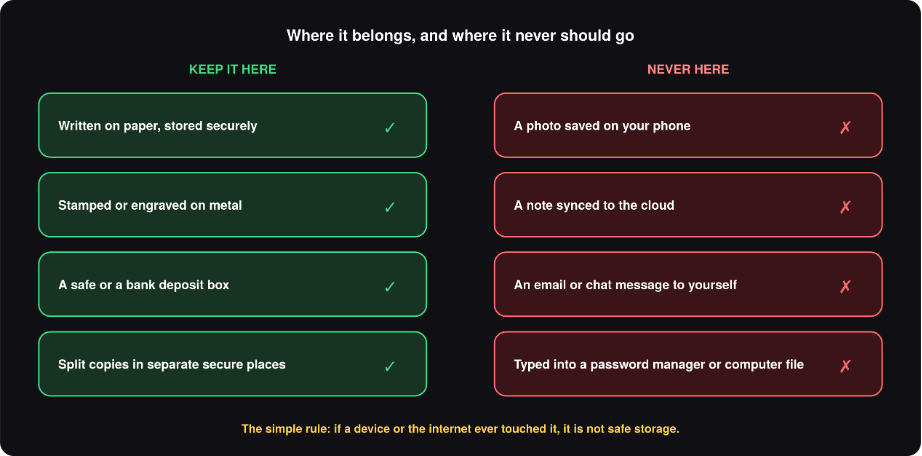
Figure 1: the one rule underneath every good storage habit
The single rule that covers almost everything: if a device, an app, or the internet ever touched your recovery key, it is not safely stored. Writing it on paper or engraving it on metal, then keeping that somewhere physically secure, sidesteps every remote risk entirely: there is no server to hack, no account to phish, and no cloud backup to leak, because it was never online in the first place.
Three habits that take good storage further
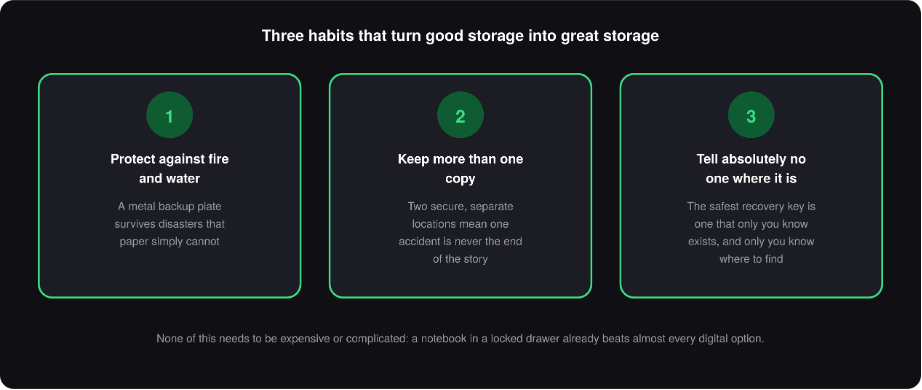
Figure 2: small extra steps, meaningfully stronger protection
Once your recovery key is written down and stored offline, three simple upgrades make it even sturdier: protect it against fire and water with a metal backup, keep more than one copy in separate secure locations so no single accident is the end of the story, and tell no one at all where it is kept. None of this requires special equipment or expense; the habits matter far more than the tools.
Never share it, under any circumstances
This bears repeating plainly: never share your recovery key with anyone, for any reason, including anyone claiming to be Flush.io support or any other company. Nobody legitimate will ever ask for it, because nobody legitimate ever needs it. If you have written it down correctly and stored it as described here, you are already better protected than the vast majority of crypto holders.
Storage methods worth knowing
Good to know
Set it up once, then relax. Properly storing a recovery key is a one-time task: once it is written down and safely tucked away, there is nothing further to maintain or think about day to day.
Double-check it before you rely on it. When you first write it down, most wallets let you confirm it by re-entering the words: always use this check, since a single wrong word makes the whole backup useless.
Consider your storage as amounts grow. A notebook in a drawer might suit a small amount; a metal backup in a safe suits a much larger one. Scale the effort to what you are protecting.
This is different from an exchange password. If your funds sit on an exchange rather than in a self-custodial wallet, this guide does not apply in the same way: exchanges use ordinary account recovery instead.
Good habits here mean total peace of mind everywhere else. Once your recovery key is properly stored, every deposit and withdrawal you make afterwards carries the same simple confidence: your funds are exactly as safe as you made them.
Was this helpful?
Still need help? Ask the team