When you Have Lost your Recovery Key
Written By _flush_f0x_
Last updated 14 days ago
This guide deserves a direct answer rather than a soft one, so here it is: whether losing a recovery key is a minor inconvenience or a serious problem depends entirely on one thing, covered in the very next section. If this page found you mid-crisis, read the next part first.
The one question that decides everything
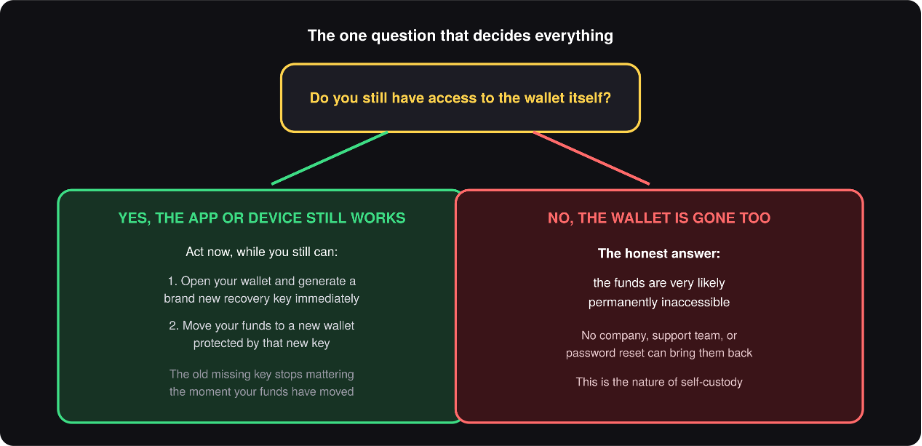
Figure 1: everything hinges on whether your wallet is still open somewhere
If your wallet app or device is still working right now, you are in a completely manageable situation: open it, generate a brand new recovery key, and move your funds to a fresh wallet protected by that new key. Do this before anything else happens to that device. Once your funds have moved, the lost key becomes irrelevant; it can no longer do anything to a wallet that is now empty.
If the wallet itself is also gone, lost, wiped, or the device is broken, with no working copy of the recovery key anywhere, the honest answer is this: the funds inside that wallet are very likely permanently inaccessible. This is not a support ticket that can be escalated or a password that can be reset. It is simply how self-custodial wallets work, and it is worth understanding calmly rather than discovering under pressure.
Why no one, anywhere, can override this
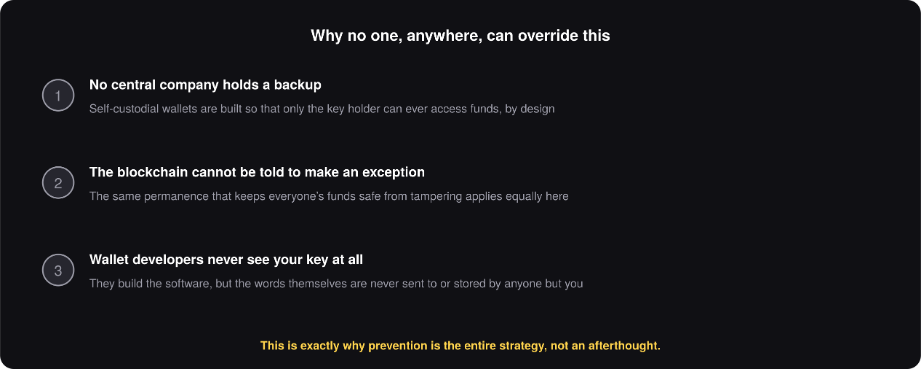
Figure 2: not a policy choice, a structural fact
It can feel strange that literally nobody, not Flush.io, not the wallet’s developers, not any authority, can step in and restore access. But this absence of a backdoor is precisely what makes self-custody trustworthy in the first place: the same design that keeps everyone else out also means there is no master switch for anyone to use on your behalf, including in an emergency.
If you are in this exact situation right now
Take a breath, and check thoroughly before assuming the worst: look for the recovery key on every device, in every drawer, and in any backup you may have made and forgotten about, including old phones or computers that still exist somewhere. If a genuine, complete copy turns up, you are fine. If it truly does not exist anywhere, there is nothing further to search for, and no team, including ours, can act as a substitute for it.
What to do, situation by situation
Good to know
This is why prevention gets its own guides. Our guides on what a recovery key is and how to store it safely exist for exactly this reason: this outcome is entirely avoidable with a few minutes of setup, and never fixable after the fact.
Exchanges avoid this specific problem. Funds held on an exchange use ordinary account recovery instead of a personal recovery key, which is one reason many people keep some funds there rather than fully self-custodial: our exchange comparison guide covers the trade-offs.
A written backup is the entire solution. Every scenario in this guide where funds are safe involves one thing: a correctly written, safely stored recovery key existing somewhere. That is the whole defence, and it is enough.
Take this as the nudge, not the panic. If reading this made you want to go check your own recovery key setup right now, that instinct is exactly right: a few minutes today is the only moment that matters.
Once it is sorted, it is sorted for good. A properly stored recovery key needs no ongoing attention: set it up once, store it well, and every deposit and withdrawal after that carries complete peace of mind.
Was this helpful?
Still need help? Ask the team